- Home
- Login
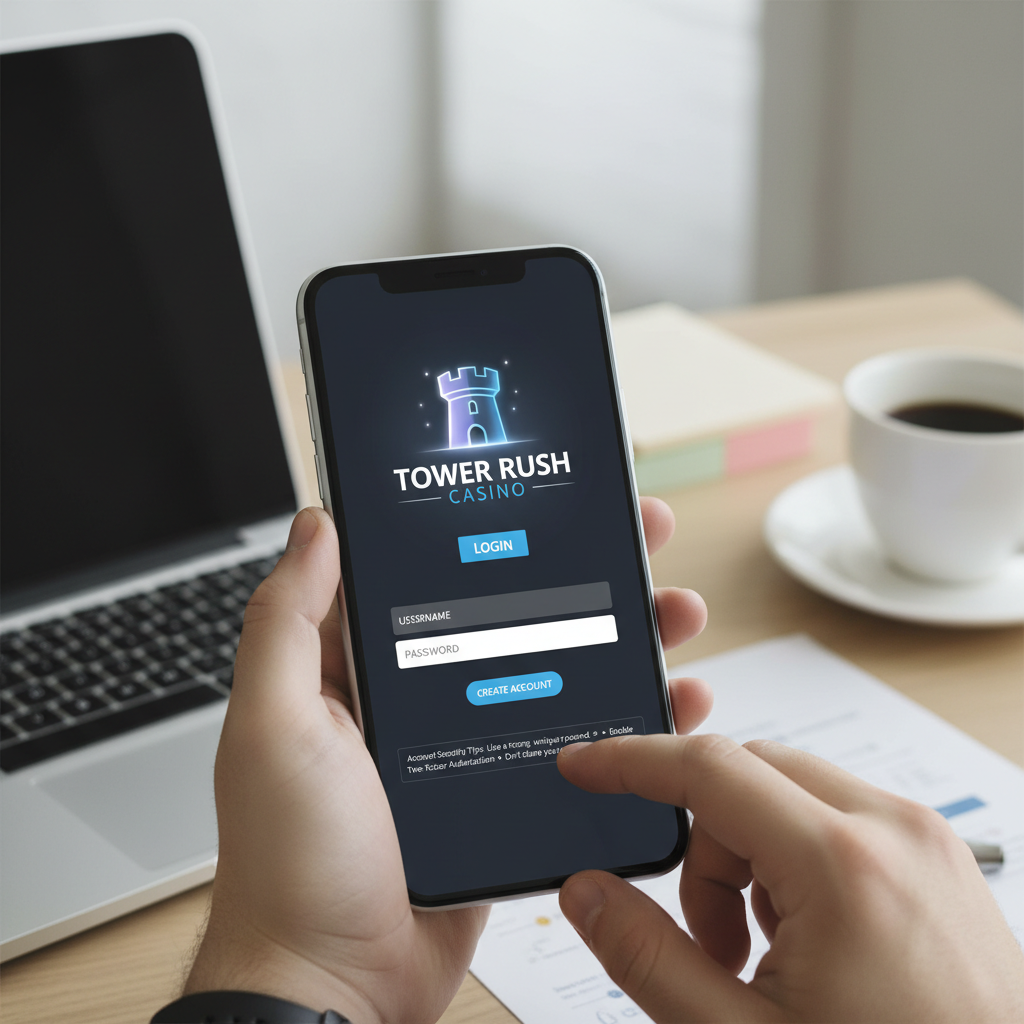
Tower rush login walkthrough and account security tips — gameplay guide
Logging into casino platforms for this slot should be treated like any other fast-paced title: set session limits and start with small units to feel the variance before upping stakes. tower is often the first prompt you’ll see in the URL path or the lobby label, so double-check you’re on the right page before staking real funds. rush names can be used by different skins, so confirm the operator and read the lobby notes rather than assuming features are identical. Expect an RTP in the realistic 95.5%–96.8% range, medium-to-high variance, and minimum bets typically around $0.10–$1.00; hold onto free spins until you’ve found a run that fits your stop-loss plan.
| Item | Notes |
|---|---|
| RTP | 95.5%–96.8% (typical range) |
| Variance | Medium to high – plan for swings |
| Min bet | $0.10–$1.00 typical |
| Bonuses & KYC | Promos vary, verify ID for big withdrawals |
| Support | Chat/Email response times differ by operator |
When you open the game lobby check balance, active promos, and whether a welcome offer covers specific machines rather than the whole slots pool, since that affects value. game screens often show paytables and recent hits so you can assess volatility in real time, while the actual login flow can require quick KYC and two-factor steps depending on the site; keep screenshots of any promo code issues. Mechanics here lean into occasional multipliers and regular wilds, so use short 20–40 minute sessions to manage variance and protect your bankroll.
Stick to unit sizing of 1–2% of your active bankroll per spin and pause after two losing sessions to reassess; deposits and withdrawals speed vary greatly, so plan cashouts with verification times in mind. Scatters typically trigger the primary bonus rounds so watch thresholds on the paytable, and if you want a different pace some operators place a live dealers section nearby the slots tab to switch formats quickly. If support is slow, document steps and escalate with screenshots so promo disputes and payout questions clear up faster.
Complete Access and Troubleshooting Guide for a Casino Title
When accessing a casino variant that ties wallet permissions to verified identities, initial account setup can determine whether withdrawals are seamless or held for review. tower is sometimes embedded in internal identifiers and mismatches between your displayed name and uploaded documents are a common root cause for delayed authorizations; spotting that discrepancy early reduces friction with support teams.
Proper login procedures directly affect withdrawal velocity because session integrity and payment method linkage are validated at cashout, and weak credentials or expired two-factor tokens can trigger extra checks. Always use the same personal name across your account and payment instruments, and keep documents ready for upload; while promotional features such as free spins appear on the player ledger, they do not override KYC rules when funds are requested.
Post-verification holds are usually procedural rather than punitive, and understanding typical timelines helps manage expectations during a payout rush. Providers request government ID, proof of residence and a transaction sample for card or e-wallet processing; a clear, unedited scan and matching metadata cut dispute windows dramatically and speed manual review without unnecessary wagering demands.
Troubleshooting starts with reproducing the error: capture timestamps, instrument types and any rejection codes before contacting support, and attach unambiguous documents to expedite approval. If a withdrawal is flagged, escalate with compliance using a single consolidated message rather than multiple appeals, and keep records of chat transcripts and emails; this reduces back-and-forth and often yields final clearance within business cycles. Being proactive about identity hygiene and preserving consistent account information is the most reliable way to convert play balances into cleared payouts.
Account Setup Essentials
When you create an account with an online casino, accurate personal details and a verified payment route are the foundations that determine how smoothly withdrawals will flow. Provide your full legal name, address, and correct date of birth, and avoid weak credentials or predictable handles – for example, do not incorporate words like tower into usernames or security questions, as that can make recovery or identity checks more vulnerable. Selecting a primary withdrawal method early (card, bank transfer, or an e‑wallet) and confirming currency preferences reduces mismatches that commonly trigger extra verification steps.
Verification is not a one‑off checkbox; it is a process that can take time and often requires high‑quality scans of ID, a recent utility or bank statement for address proof, and sometimes a selfie for biometric confirmation. Do not rush the upload: blurred images, mismatched document names, or cropped files are common reasons for requests to resubmit and for delays to extend beyond the advertised 24–72 hour window. Know that compliance backlogs can also lengthen holds, and that meeting KYC requirements before you attempt a payout is the fastest path to a clean transfer.
Withdrawal reality includes holds, maximums, and bonus-related restrictions that are easiest to manage when you configure security and payout preferences at setup. Enable two‑factor authentication, register trusted devices, and keep a consistent IP and country of residence to avoid repeated rechecks after a successful login; these steps reduce friction when funds are due. Expect e‑wallets to clear quickest, cards and transfers to take longer, and for some operators to require a final document check for large sums or certain bonus withdrawals – preparing scanned paperwork and a clear contact email ahead of time shortens resolution and keeps your bankroll accessible.
Credential Recovery Methods for Withdrawal and Verification Reality
When players lose access to an account, the recovery process plays a direct role in whether pending withdrawals are released and how quickly identity checks conclude. Operators typically require a layered approach: username confirmation, proof of identity, and evidence of payment method ownership before any funds move, and staff scrutiny increases with unusual activity or flagged transactions. In some systems recovery portals are branded or thematically tied to the lobby, so a user might encounter a recovery flow with names reminiscent of the platform's UI such as tower while the backend still routes documents to the compliance team.
Practical recovery starts with account identifiers sent to registered contact points and proceeds to KYC submission channels; verification via email alone is often insufficient for sizable withdrawals and phone callbacks or certified ID uploads are standard. Escalation to live support and manual review is common when automated checks fail, and turnaround times expand if additional banking statements are requested to prove source of funds. During this stage operators balance customer experience against regulatory risk, and some will close access to loyalty benefits until identity is fully re-established to limit abuse when accounts are contested or accessed during a sudden rush of flagged transactions.
Credential resets that intersect with payment holds require careful handling: two-factor resets, historic device fingerprints, and evidence that the requester controlled the original withdrawal route all factor into decisions to release balances. Recovery tickets that show consistent proof – matching names on ID and bank documents, photos with date stamps, and original deposit receipts – tend to clear faster than fragmented submissions, and support notes that capture the reconstruction timeline reduce repeated document requests. A misrouted password reset email or compromised session during a standard login can complicate release, so operators often lock payouts until a full audit trail is supplied.
In practice, customers should expect verification reality to be conservative: modest withdrawals may clear after basic checks, whereas high-value or international payouts trigger layered identity protocols and sanction screening that add days. Transparency in what documents are required, secure upload channels, and a single point of contact for follow-up materially improve recovery outcomes, and understanding that credential recovery is inseparable from withdrawal authorization helps set realistic timelines for funds being made available.
Two-Factor Activation Guide
This Two-Factor Activation Guide addresses the real-world interaction between account security and withdrawal verification in online casinos. Properly implementing 2FA reduces the chance of unauthorized cashouts and chargebacks, and it becomes particularly important when large wins trigger manual review – imagine your account as a security tower that requires a second key before the cage opens. Clear communication of required documents after 2FA activation helps align player expectations with compliance checks and reduces frustrating delays.
Step-by-step activation should be done deliberately; do not rush through prompts or skip verification methods suggested by the operator. Authenticators, SMS codes, or hardware tokens each have trade-offs for accessibility and audit trails, and choosing the method accepted by support teams speeds KYC outcomes. This guide emphasizes confirming email and phone ties during setup so customer service can match a verified device during payout queries without repeated identity calls.
In practical terms, enabling two-factor often shortens the path from withdrawal request to payment by giving teams a higher confidence score, but it can also introduce one extra checkpoint if a new device is used. Operators commonly hold bonus-related credits until identity is proven, so players should expect bonuses such as free spins to remain flagged until the verification queue clears. Understanding that a 2FA flag is part of the casino’s risk model helps players accept temporary thresholds or tiered release schedules.
Finally, treat 2FA as part of your session hygiene: a successful 2FA setup ties to your account login and creates a clear timestamp that casinos use to validate recent account activity against withdrawal attempts. When disputes arise, an active two-factor record is often the decisive evidence that the rightful account holder initiated the transfer, which minimizes follow-up requests and can speed final settlement. Follow the operator’s activation checklist precisely to ensure withdrawals proceed smoothly.
Connectivity Fixes Conclusion
Keep realistic payout expectations and accept that variance can make sessions feel streaky, so watch bet sizing, session duration and bankroll swings closely to set proper expectations; also monitor connectivity issues like weak signal or a distant tower.
Note the frequency and timing of drops so you can correlate them with local network load or device behavior during sessions. If you encounter disconnections, try a wired connection, reboot the router, toggle Wi‑Fi or mobile data, update firmware and avoid VPNs until stability is restored. Always choose licensed casinos and verify safety signals such as HTTPS, a clear privacy policy and responsive support when you play any online game.
Set deposit and time limits, establish a stop-loss, schedule cooldowns and practice conscious play so connectivity problems don’t lead to impulsive decisions, and resolve persistent issues by clearing app cache, updating the client and performing a fresh login after fixes before you calmly explore bonuses, promo codes and new slots while keeping your limits and realistic expectations in place.
Questions and Answers:
How do I log into Tower Rush?
Open the app or site, tap the login button, and enter your registered email and password to access your account. If you prefer a quick sign-in, select a supported social option shown on the screen. Use the correct region and server if prompted.
I forgot my password. How do I reset it?
Tap the "Forgot password" link on the login page and submit the email tied to your account to receive reset instructions. Follow the link in that message to create a new password, then sign in with the updated credentials. Check spam or promotions folders if the email does not arrive.
Can I use social media to sign in?
Yes, supported social logins can link your game account and may speed up sign-in on new devices. Review the permissions requested and ensure the social account has a secure email. If you unlink the account later, confirm an alternate login method is set up.
How can I keep my account secure?
Choose a unique, strong password and change it periodically to reduce risk of unauthorized access. Turn on any available two-factor verification for an extra layer of protection. Avoid sharing credentials and log out on devices you do not control.
What should I do if my account is suspended?
Check emails from support for details on why the account was suspended and any specified steps to contest the action. Contact customer support with your user ID and relevant evidence to request a formal review. Keep communications concise and include necessary account identifiers.
How do I create an account for Tower Rush?
Open the Tower Rush client or website and choose the Sign Up option to start. Provide a valid email and strong password, then confirm the address by following the verification link sent to your inbox.
What do common login error messages mean and how can I fix them?
Messages like "invalid credentials" or "account not found" usually indicate mistyped details or an unregistered email address. Verify your input, try a password reset if needed, and consult the server status if issues persist.